
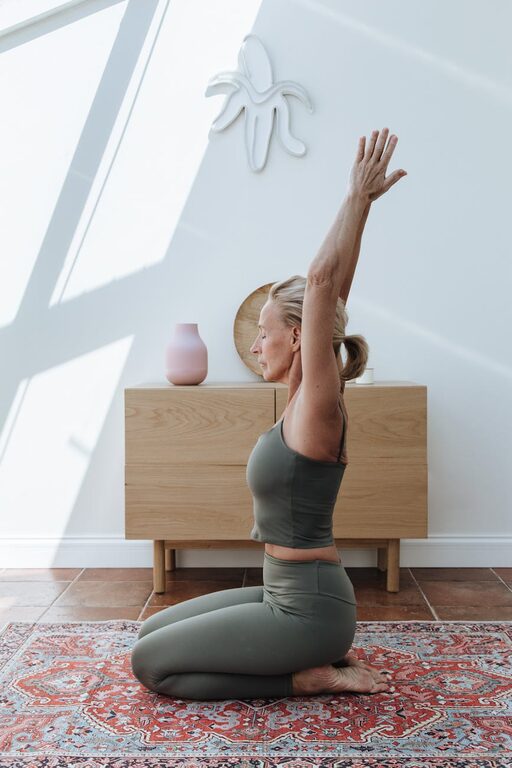
A Beginner’s Guide to Stretching at Home for Better Flexibility
Stretching is a simple and effective way to improve your flexibility, reduce muscle tension, and enhance your overall physical well-being—all from the comfort of your own home. Whether you’re new to exercise or looking to add some helpful habits to your routine, this beginner’s guide will walk you through everything you need to know to get started with stretching safely and effectively.
Why Stretching Matters
Stretching offers several benefits that contribute to your physical and mental health:
– Improves Flexibility: Regular stretching helps lengthen muscles and tendons, making daily movements easier.
– Increases Range of Motion: It allows your joints to move more freely.
– Reduces Muscle Stiffness and Soreness: Stretching can relieve tension in tight muscles.
– Enhances Posture: Stretching certain muscles helps maintain better alignment.
– Promotes Relaxation: Gentle stretching can be calming and reduce stress after a long day.
Getting Started: Basic Tips for Stretching at Home
Before you begin, keep the following in mind for a safe and effective stretch routine:
– Warm Up First: Stretching cold muscles can cause injury. Try 5–10 minutes of light cardio, like walking or marching in place.
– Stretch Gently: Never force a stretch to the point of pain. Mild discomfort is okay, but sharp pain is a sign to stop.
– Breathe Deeply: Inhale and exhale slowly during each stretch to help your muscles relax.
– Hold Steady: Aim to hold each stretch for 15 to 30 seconds and repeat two to three times.
– Consistency is Key: Stretch regularly—ideally daily or at least 3–4 times per week—for lasting benefits.
Essential Stretches for Beginners
These simple stretches target common tight spots and can be done without any equipment.
1. Neck Stretch
– Sit or stand with your back straight.
– Slowly tilt your head toward your right shoulder until you feel a gentle stretch on the left side of your neck.
– Hold for 20 seconds, then switch sides.
2. Shoulder Rolls
– Stand with your arms relaxed by your sides.
– Roll your shoulders forward in a circular motion 10 times.
– Reverse and roll your shoulders backward 10 times.
3. Chest Stretch
– Stand near a wall or doorway.
– Place your palm and forearm against the wall at shoulder height.
– Gently turn your body away from the wall until you feel a stretch across your chest.
– Hold for 20–30 seconds and switch sides.
4. Seated Forward Bend
– Sit on the floor with your legs extended straight ahead.
– Slowly reach your hands toward your toes, keeping your back straight.
– Stop when you feel a comfortable stretch in your hamstrings.
– Hold 20–30 seconds.
5. Cat-Cow Stretch (for spine flexibility)
– Start on all fours with your wrists under shoulders and knees under hips.
– Inhale as you arch your back, lifting your head and tailbone (Cow pose).
– Exhale as you round your back, tucking your chin and tailbone (Cat pose).
– Repeat 10 times, flowing gently.
6. Standing Quadriceps Stretch
– Stand tall, holding onto a chair for balance if needed.
– Grab your right ankle behind you and gently pull it toward your buttocks.
– Keep your knees together and hips aligned.
– Hold for 20 seconds and switch legs.
7. Calf Stretch
– Stand facing a wall with one foot forward and one foot back.
– Keep your back leg straight and heel on the floor.
– Lean into the wall until you feel a stretch in the calf of the back leg.
– Hold for 20–30 seconds and switch.
Creating Your At-Home Stretching Routine
To build a balanced routine:
- Start with a 5-minute warm-up (walking, light marching).
- Choose 5–7 stretches, covering major muscle groups.
- Perform each stretch with steady breathing and hold times.
- Cool down with slower movements and deep breaths.
Aim to spend about 15–20 minutes on your stretching routine, making adjustments as your flexibility improves.
Tips for Staying Motivated
– Stretch at the same time each day to build a habit.
– Use reminders on your phone or calendar.
– Pair stretching with activities you enjoy, like listening to music or podcasts.
– Track your progress by noting how much further you can stretch or how you feel afterward.
When to Be Careful
Avoid stretching if you experience:
– Acute injuries or swelling
– Severe joint pain
– Recent surgery without doctor approval
If you have a medical condition or chronic pain, consider consulting a healthcare professional before starting a new stretching routine.
Final Thoughts
Stretching at home is a convenient, low-cost way to improve your flexibility and feel better every day. With a little time and consistency, beginners can enjoy the benefits of stretching and create a foundation for a healthier lifestyle. Start slow, listen to your body, and most importantly—have fun stretching!
—
By incorporating these simple stretches into your daily routine, you’ll pave the way for improved mobility and relaxation. Happy stretching!
